

Introduction to G-Dragon’s Viral Moment
The Context of G-Dragon’s Show
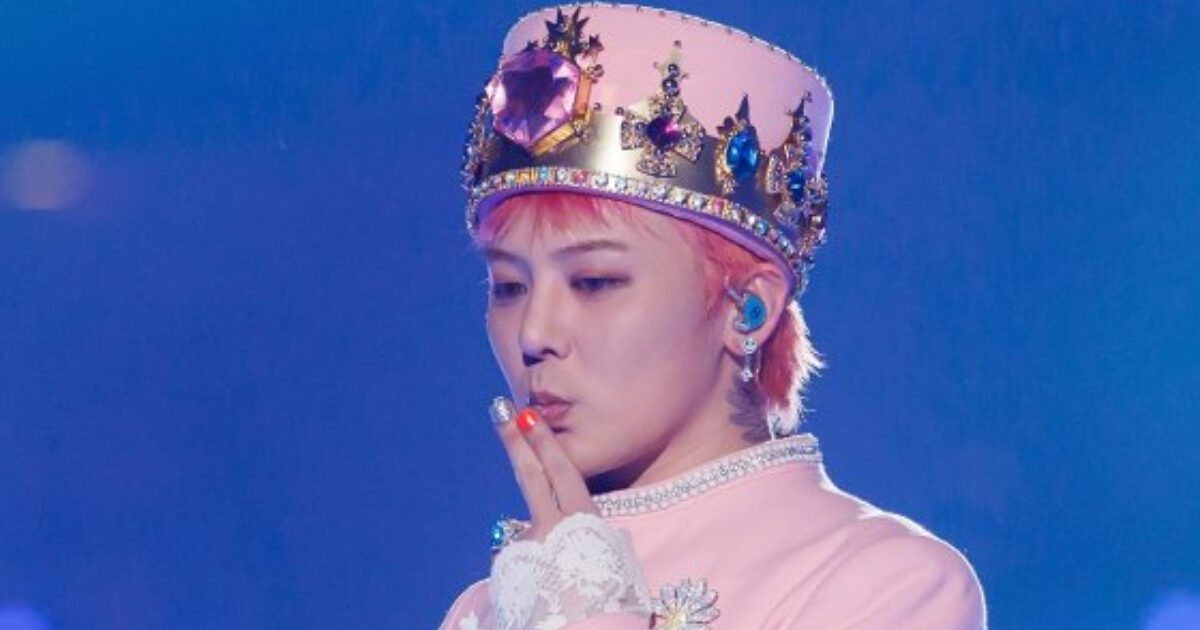
G-Dragon, a prominent figure in the K-pop scene as a member of BIGBANG, recently made headlines for mentioning the virtual idol group PLAVE during his show. This mention has sparked significant interest and discussion about the intersection of traditional K-pop and virtual idols. G-Dragon’s show, which features celebrities born in 1988, aims to bring together influential figures from various backgrounds, creating a unique platform for cultural exchange and collaboration.
Exploring Virtual Idols in K-Pop
The Rise of Virtual Idols
Virtual idols, like PLAVE, are gaining traction in the K-pop industry. These groups, often backed by real people or entirely created through AI, offer a fresh perspective on traditional K-pop. PLAVE, for instance, is a group of five virtual idols with real individuals behind the scenes. They debuted in March 2023 and have since achieved notable success, including selling 200,000 copies of their first mini-album within a week.
Challenges and Opportunities for Virtual Idols
Overcoming Industry Barriers
Despite their growing popularity, virtual idols face several challenges. They struggle to secure high-quality songs and choreographies, often having to create their own content. Additionally, booking mainstream venues for concerts can be difficult due to the unconventional nature of their performances. However, these challenges also present opportunities for innovation and collaboration, as seen in G-Dragon’s interest in working with PLAVE.
The Future of Virtual Idols in K-Pop
Expanding Horizons
The mention of PLAVE by G-Dragon highlights the potential for collaboration between traditional and virtual K-pop artists. This intersection could lead to new creative avenues and help virtual idols gain more mainstream recognition. As the K-pop industry continues to evolve, the role of virtual idols is likely to become more significant, offering fans unique experiences that blend technology and music.