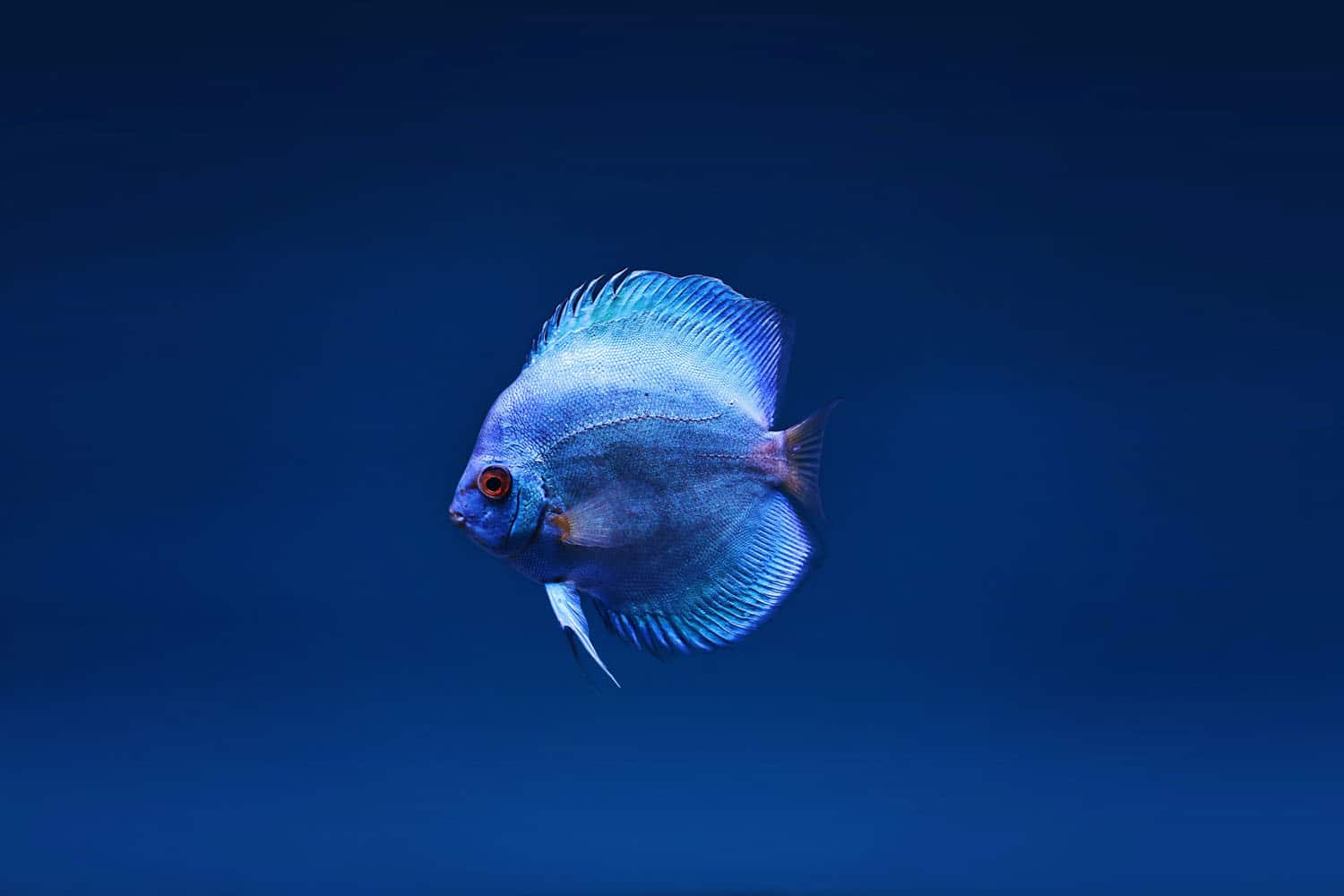
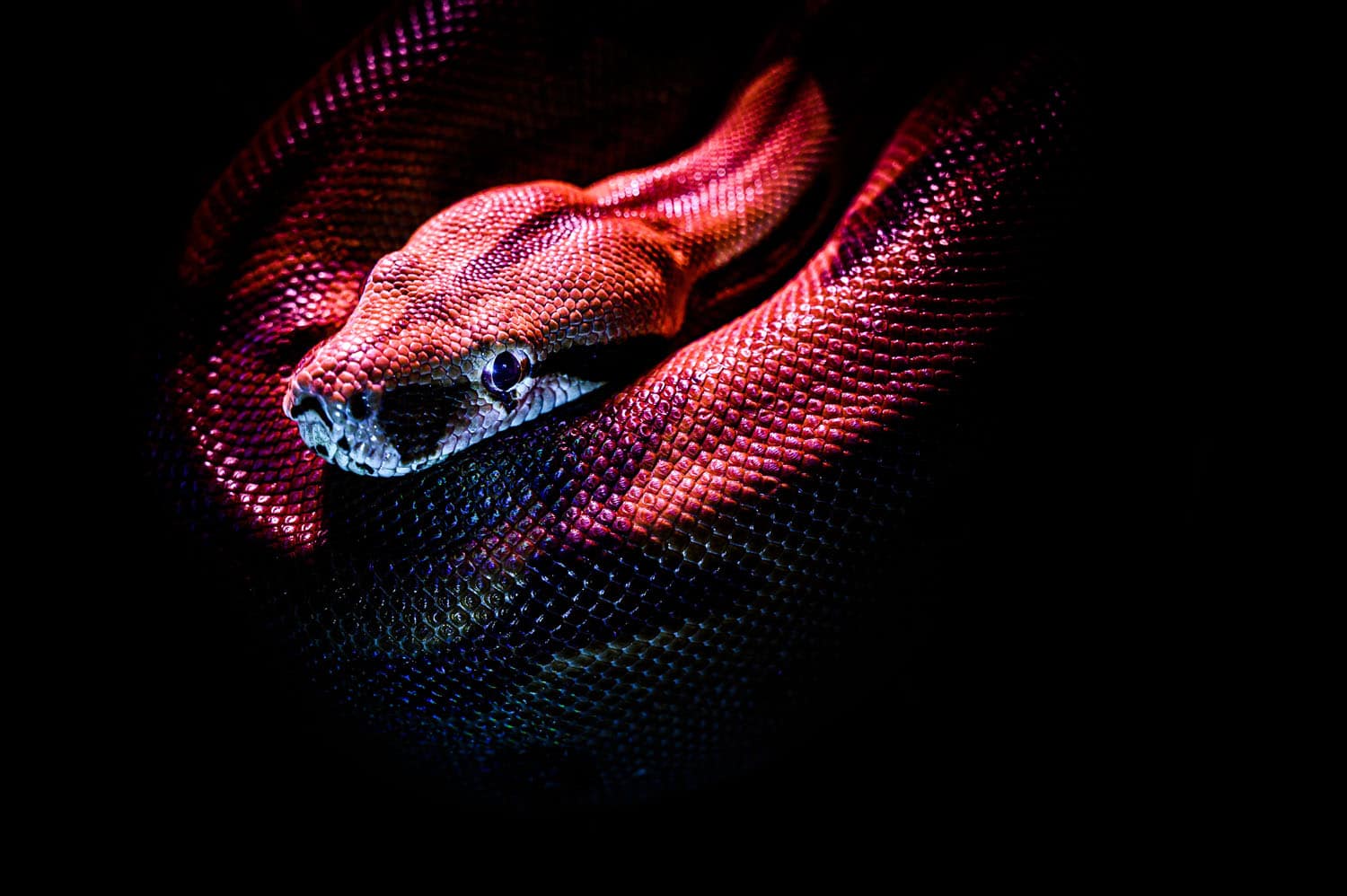
Eyes are generally adapted to the environment and life requirements of the organism which bears them. For instance, the distribution of photoreceptors tends to match the area in which the highest acuity is required, with horizon-scanning organisms, such as those that live on the African plains, having a horizontal line of high-density ganglia, while tree-dwelling creatures which require good all-round vision tend to have a symmetrical distribution of ganglia, with acuity decreasing outwards from the centre.
You May Also Like

Strikingly patterned snakes breathe through their scales

In most Western countries, a centralized dairy facility processes milk and dairy…

International Tiger Day Stunning Images

The tiger is a long-ranging species, and individuals disperse over distances of…

How The World’s Sea Water Crystalises

Crystallization occurs in two major steps. The first is nucleation, the appearance…

Wild coral reef fish begin journey upstream

Humans have historically tended to separate civilization from wildlife in a number…